Biography
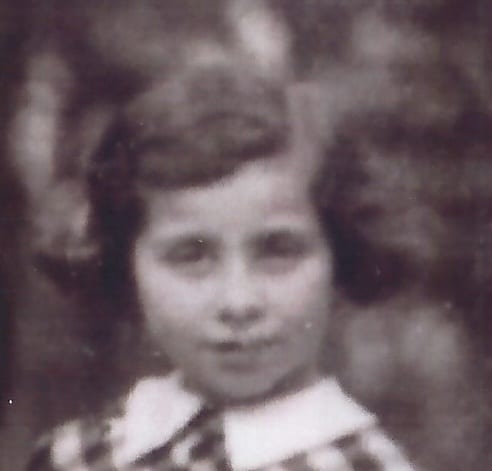
Edith Mia Sigall was born on 3 January 1926 in Bretten, a daughter of Levi Sigall and Erna Ester Tiefenbrunner. From April 1940 she lived with her mother and sister at Haidplatz 4/8, Regensburg. On 2 April 1942 she was deported by way of Regensburg to the Piaski ghetto, arriving the following day, and was murdered, probably at Belzec, around 6 April 1942. She is remembered in the 1966 history of the Jewish community of Regensburg and by a Stolperstein laid there in 2022.
Life events7
- DeathBelzec extermination camp, Poland
Death of Erna Ester Tiefenbrunner and Edith Sigall Probably Belzec
The deportation itself. On 2 April 1942, the Jews of Regensburg were assembled at the site of the destroyed synagogue and sent to Munich on 2 April 1942, and from there transported to Piaski near Lublin, Poland. This wasn't a Regensburg-only operation — Arolsen Archives records describe it as a joint deportation of Jews from the Munich Gestapo district, covering Upper Bavaria and the Swabia/Neuburg region, to the occupied eastern territories, presumed to be Piaski, on 3 April 1942. So Regensburg's deportees were folded into a larger convoy gathered from across southern Bavaria before the train headed east. Arrival and what Piaski was at that moment. German records cited by the Munich memorial book indicate a transport of 989 Jews arrived in Piaski from Munich on 6 April 1942, which lines up with the Regensburg group's departure date. Piaski itself was in transition right then: it had existed as a ghetto since April 1941, but in March 1942 German authorities ordered it cleared of its Polish Jewish population and repurposed as a collection point for Jews arriving from the Reich. That clearing involved sending thousands of the existing Polish Jewish residents to be murdered at Belzec in the days just before the Reich transports arrived — so the new arrivals from Germany were essentially filling a ghetto that had just been emptied by mass murder. What happened to the deportees. Piaski functioned as a way-station, not a final destination. Deportations onward to the Belzec death camp resumed on 6 April 1942, and able-bodied men were periodically pulled out for forced labor (likely toward the Lublin camp system) while others continued to be sent to the gas chambers at Belzec or Sobibor. Conditions in the ghetto itself were reportedly dire. Essentially none of the Regensburg deportees on this transport are known to have survived.
- MemorialRegensburg, Germany
Listed in the book "The history of the Jewish community in Regensburg from 1939 to 1945"
https://www.heimatforschung-regensburg.de/2292/1/1425154_DTL2016.pdf
https://www.ushmm.org/media/images/vlpnamelist/EE2374/EE2374_source.PDF
Places5
Family
Media1
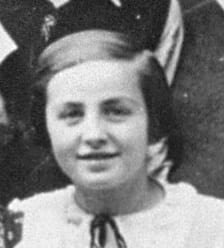
Edith Sigall