Alternate names
Biography
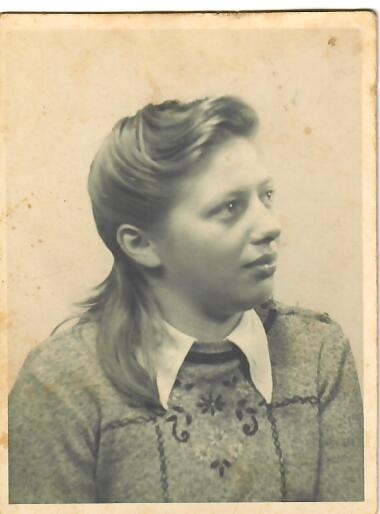
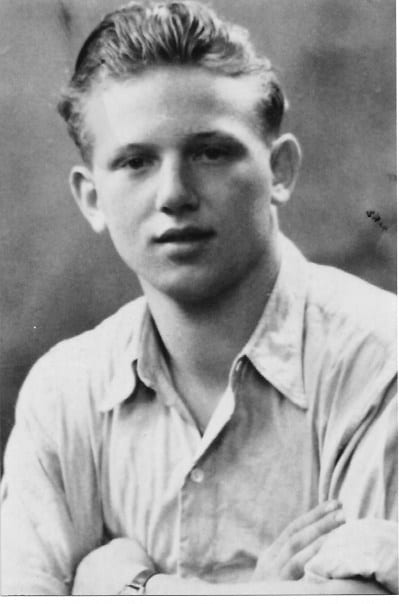
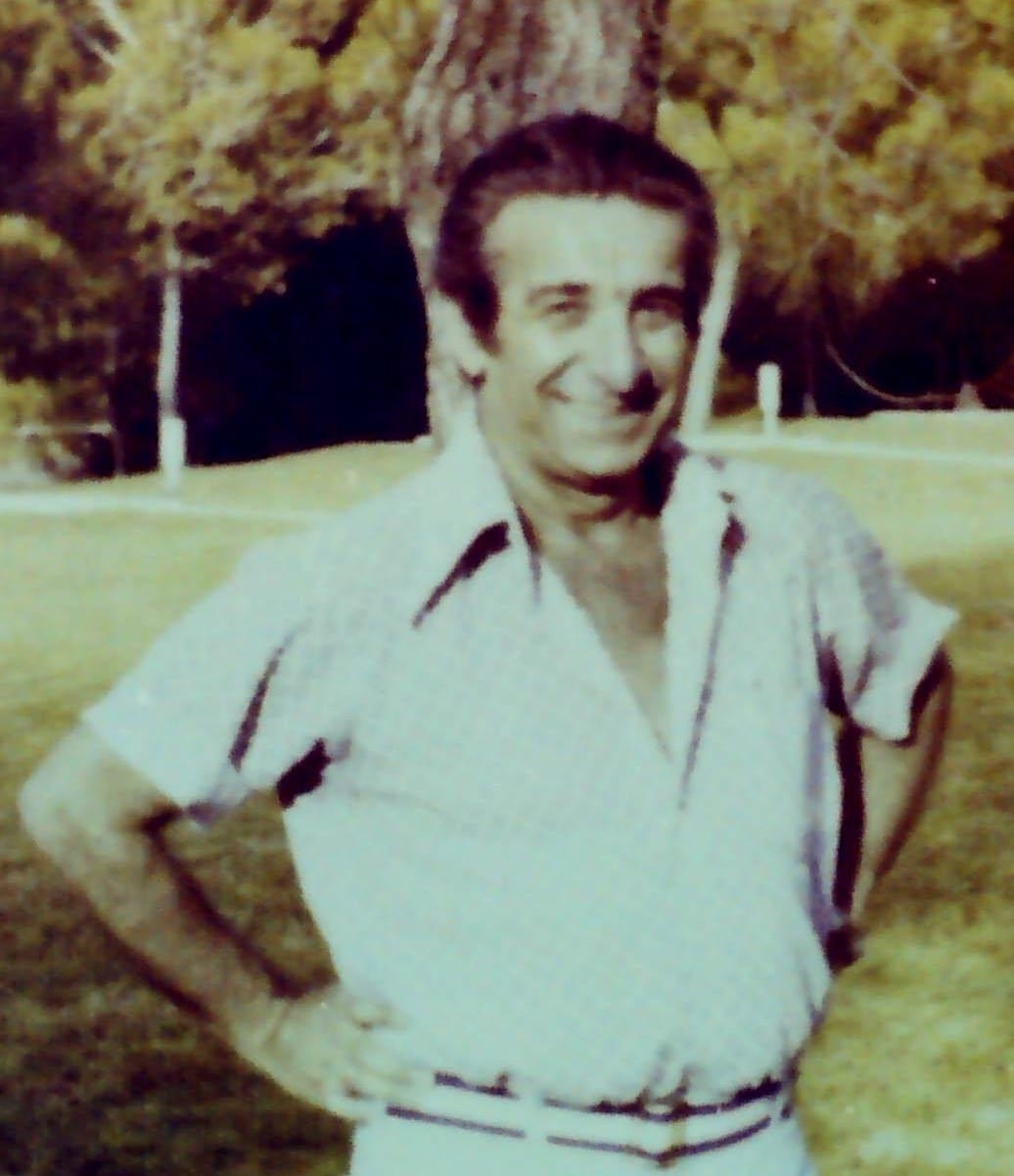
Tyla Beeri was born Tyla Estrajcher on 19 November 1927 in Sosnowiec, in the Zagłębie region of southern Poland, the daughter of Jakov Jozef Estrajcher and Malka "Mania" Szternberg; her Hebrew name was Tehila. The family lived at 19 Modrzejowska Street and ran a children's shoe shop. She had one brother, Yitzhak (Icek), about a year her senior, and attended Public School no. 13 in Sosnowiec. The Germans entered Sosnowiec on the first day of the war. In 1940 the family was forced into the Środula ghetto (from Modrzejowska 19 to Bergzeile 2a/21). In 1943 Tyla was deported to forced labour in the Sudetenland, held at Žacléř and Bernartice in the Trutnov district (prisoner 22770), working in a textile mill for about two years. Her parents were deported from the Środula ghetto to Auschwitz and murdered; only Tyla and her brother survived. She was liberated by the Red Army on 8 May 1945. After liberation she was brought to Přemysl Pitter's homes at Lojovice, near Prague, and then flown to England with a group of young survivors, landing at RAF Crosby-on-Eden on 14 August 1945. She lived at the Calgarth Estate on Windermere — one of "the Windermere children" — and then in hostels in Salford (Kershaw House, then the Northumberland Street hostel) until 1947, with a visit to family in Brussels over the winter of 1947–48. She sailed for Israel aboard the Endeavour and reached Haifa on 2 June 1948, weeks after the state was declared, and lived with her aunt Rachel and Haim Fajner in Ra'anana. On 12 August 1952 she married Zeev Beeri. They raised two children, Malka and Zachy, in Ra'anana, where Tyla lived for the rest of her life. She died there on 22 June 2022, aged 94, and is buried beside Zeev at the New Cemetery, Kfar Nachman.
Life events19
- EducationSosnowiec, Poland
Public School no. 13 in Sosnowiec
Public School no. 13 in Sosnowiec, school year 1937/1938 (attached). The all-female school was located on 15 Dęblińska Street, the building no longer exists, it was demolished at some point over the last 25-30 years. Even though the school was public, so in theory open to all religions, in practice it was all Jewish. I think it was for practical reasons, as a majority of Jewish children would not go to school on Saturdays if they were in a "general" school. From: Tomasz Grząślewicz e-mail: tomaszwg@gmail.com tel. 506 106 113
- GhettoBolesława Prusa, Środula Ghetto, Sosnowiec, Poland
Transferred to Środula Ghetto: From Modrzejowska 19 to Bergzeile 2a/21 (Today: Bolesława Prusa)
- Forced LabourŽacléř, Czech Republic
Žacléř and Bernartice (Trutnov District); Prisoner's Number: 22770
- Refugees reception centreWindermere, United Kingdom
Calgarth Estate, Troutbeck Bridge, Windermere, Cumbria
The Windermere reception centre and hostel was near the village of Windermere, in the Lake District, in the county of Cumbria, north-west England. The site made up the former Calgarth Industrial Estate, which had been used to accommodate aircraft factors workers during the war.
- Refugees HostelManchester, United Kingdom
Kershaw House and then The Northumberland Street Hostel in Salford (The famous Salford 7) from 8th March 1946
The hostel was in the neighbourhood of Moss Side in south Manchester. It opened in January 1939 and was originally known as the Refugees Temporary Shelter. The Boys often refer to this hostel as simply Moss Side. The hostel was run by the religious Zionist organisation Bachad. Among the Bachad members who worked at the house were Israel Cohen, Herbert Laster and Ida Gross who had been in Windermere. Arthur Kershaw donated the house, a large spacious villa, in 1938. Kershaw was a property speculator and estate agent.
The Northumberland Street Hostel in Salford was a rehabilitation hostel for survivors of the Holocaust run by the religious Zionist organisation Bachad. After the war, it was overseen by Fanny Pine, along with her husband.
- Refugees HostelGoldington Bury House Bedford, United Kingdom
The hostel was called Goldington Bury House and was on Goldington Road in Bedford
Goldington Bury House was a large Georgian estate on Goldington Road in Bedford. Opened in June 1946 by a Zionist youth movement (Hechalutz), it served as a hostel for 40 young people, including 20 young Holocaust survivors known as "the Boys." It provided training in agriculture and mechanics, and supported residents working locally in Bedford. Bought by the Bedford Borough Council in 1953, the house was demolished in 1964. Today, a block of flats sits on the site, and the former grounds are used by the Bedfordshire County Cricket Club.
- ResidenceRaanana, Israel
Various addresses in Raanana
12 August 1952: Hankin 42 Raanana April 1959: 13, Bar Ilan Street, Raanana 1977: Bar Ilan 52, Raanana (temporary) 1978: Golomb 28/Hayovel 12, Raanana
- BurialNew cemetery - Kfar Nachman, Raanana, Israel
Cemetery: New Cemetery, Kfar Nachman | Block: 2 | Plot: 3 | Row: 18 | Grave: 23
Places13
Family


Spouses & Children
External links
Media3
Tyla Estrajcher
Holocaust survivors, residents of Ra'anana, page 127
Tyla Beeri