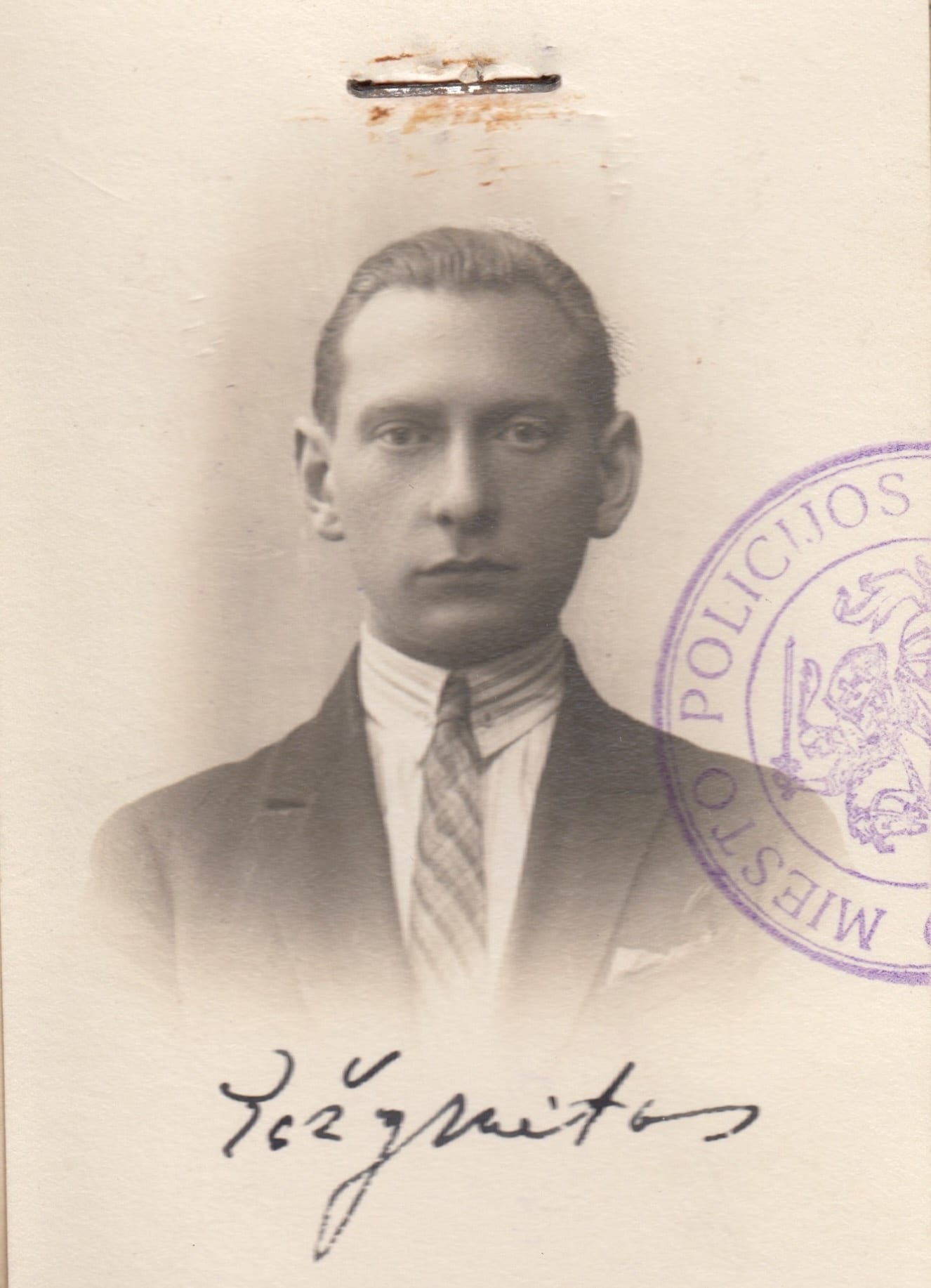
Biography
Berl Porubansky was born on 5 March 1895 in Vilnius, a son of Osher Porubansky and Rokhlia, née Koyransky. He trained as a dental technician. In June 1920, after the region was seized in the Polish–Lithuanian conflict, he fled Vilnius for Kaunas and settled on Ukmergės Street, working in the dental laboratory of Rubinstein and Neusichin. For much of the 1920s he lived in Kaunas as a registered refugee, renewing temporary personal certificates and Lithuanian residency permits year by year, and in 1928 applied for a passport. On 28 October 1921 he married Chiena "Zelda" Katz; they lived at 4 Lukšio Street and had four children — Michla ("Mania"), Tsilia, Judit and Osher. After the German invasion the family was confined in the Kovno ghetto from August 1941. When it was liquidated in July 1944 Berl was deported to Dachau (prisoner 81874), where he was liberated on 29 April 1945. His wife Zelda died in 1945 shortly after her own liberation near Danzig, and the two younger children, Judit and Osher, had been murdered in the ghetto's Kinderaktion in March 1944. Berl returned to Kaunas, remarried (Leia, "Liza"), and lived at 89 Laisvės Alėja with his daughter Mania's family. He died in Kaunas on 26 June 1963 of a heart condition and was buried at the Aleksotas old Jewish cemetery.
Life events27
- ResidenceKaunas, Lithuania
Berl Porubanski arrives in Kaunas from Vilnius, fleeing the region after its seizure, and settles at Ukmergės Street No. 4.
- ResidenceKaunas, Lithuania
Ongoing residency documentation
1. May–July 1921: The expulsion crisis. Kaunas authorities ordered Berel Porubanski's removal from the city (first citing a housing shortage, then reclassifying him for relocation to Vilkaviškis as his supposed "permanent residence," a place he had in fact never lived). Berel petitioned the Kaunas authorities and ultimately the President of Lithuania, arguing that he had fled to Kaunas directly from Vilnius, his true home, and had established a stable, self-sufficient life there as a dental technician. Lithuanian officials investigated, confirmed he had no ties to Vilkaviškis, and on 7 July 1921 the Ministry of Internal Affairs ruled in his favor, permitting him to remain in Lithuania. Berel personally signed for the order on 16 July 1921. 2. 1921–1928: Ongoing residency documentation. As a refugee from the Vilnius region (administered separately from the rest of Lithuania while under Polish control), Berel and later his wife Genė had to repeatedly renew "Temporary Personal Certificates" and residence permits every six months to two years, cross-referencing marriage, birth, and prior certificate records each time. This pattern continues in the file through at least January 1928. One residence permit (Img299270/271) was also stamped by the Riga City Police in Latvia in 1926, suggesting the family traveled there at some point.
- Certificate ("Liudymas") issued in lieu of a refugee certificateKaunas, Lithuania
Valid until November 15, 1921
- MarriageKaunas, Lithuania
with Chiena "Zelda" Porubansky
Marriage of Berl Porubansky and Chiena "Zelda" Porubansky
- ResidenceKaunas, Lithuania
Residence of Berl Porubansky and Chiena "Zelda" Porubansky - 4, Luksio, Kaunas, Lithuania
- ResidenceKaunas, Lithuania
Residence of Berl Porubansky and Chiena "Zelda" Porubansky - 4, Luksio, Kaunas, Lithuania
- Passport ApplicationKaunas, Lithuania
Questionnaire of Berelis Porubanskis, born 1895, a resident of Kaunas, Lithuania, compiled 1928
- LiberationDachau concentration camp, Germany
The Dachau concentration camp was liberated on April 29, 1945, by the 42nd and 45th Infantry Divisions of the U.S. Seventh Army
Places7
Family
Parents
Family record F0009 →Spouses & Children
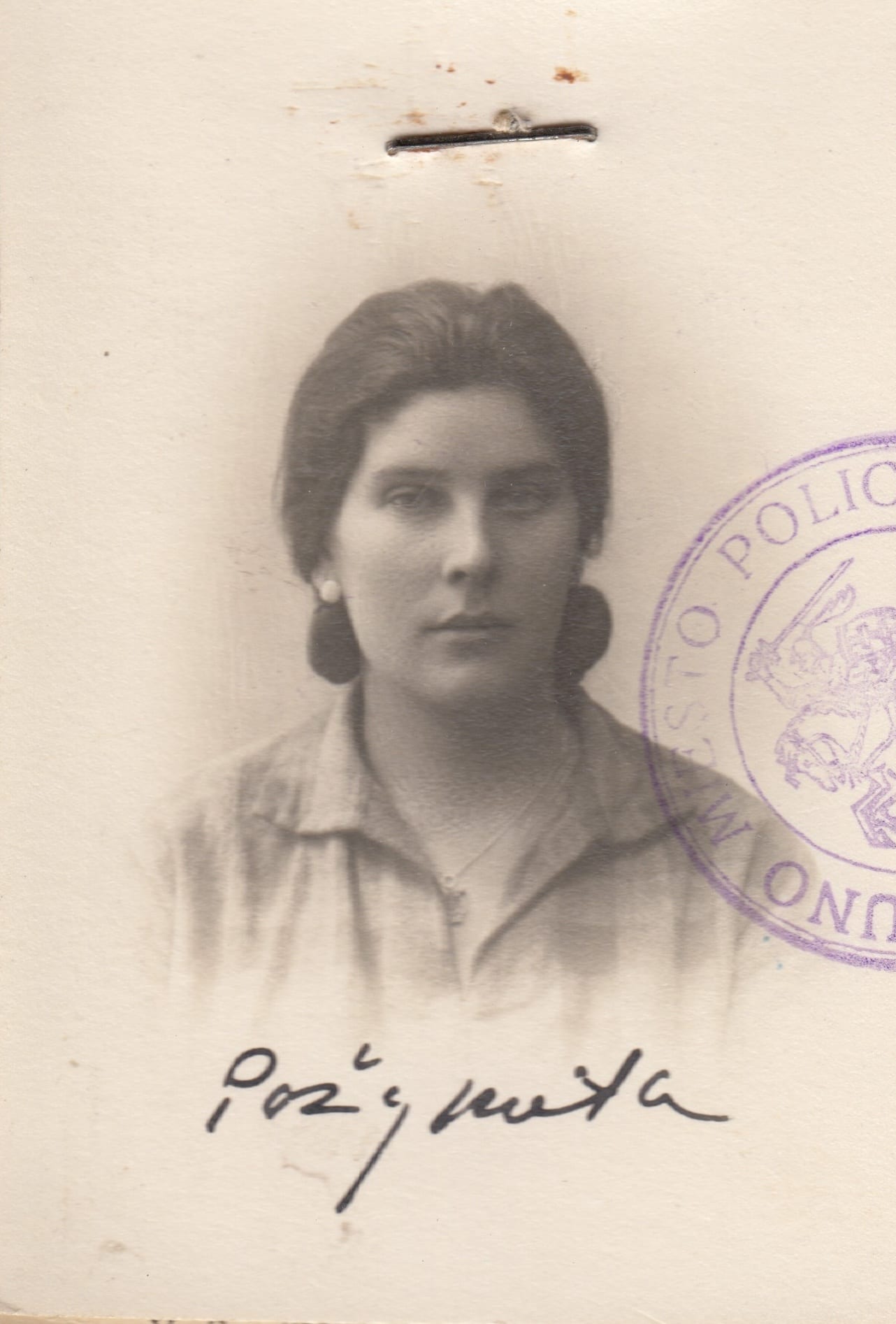
- Michla "Mania" Turetz♀BIOLOGICAL
- Tsilia Porubansky♀BIOLOGICAL
- Judit Porubansky♀BIOLOGICAL
- Osher Porubansky♂BIOLOGICAL
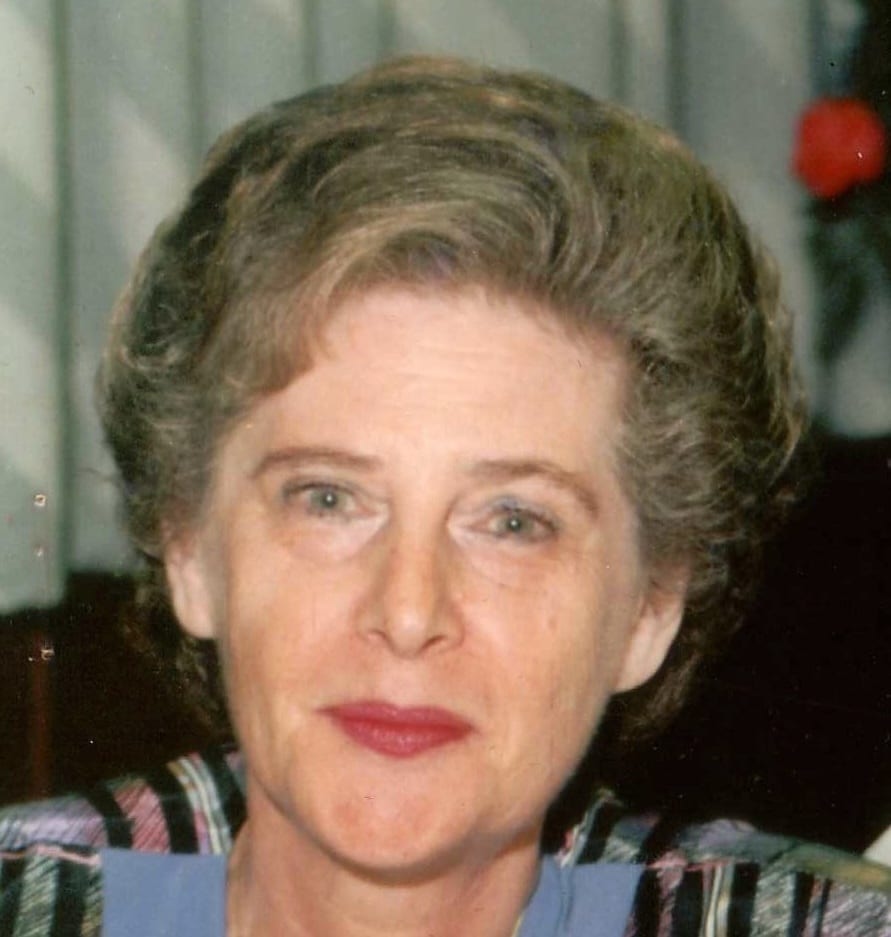
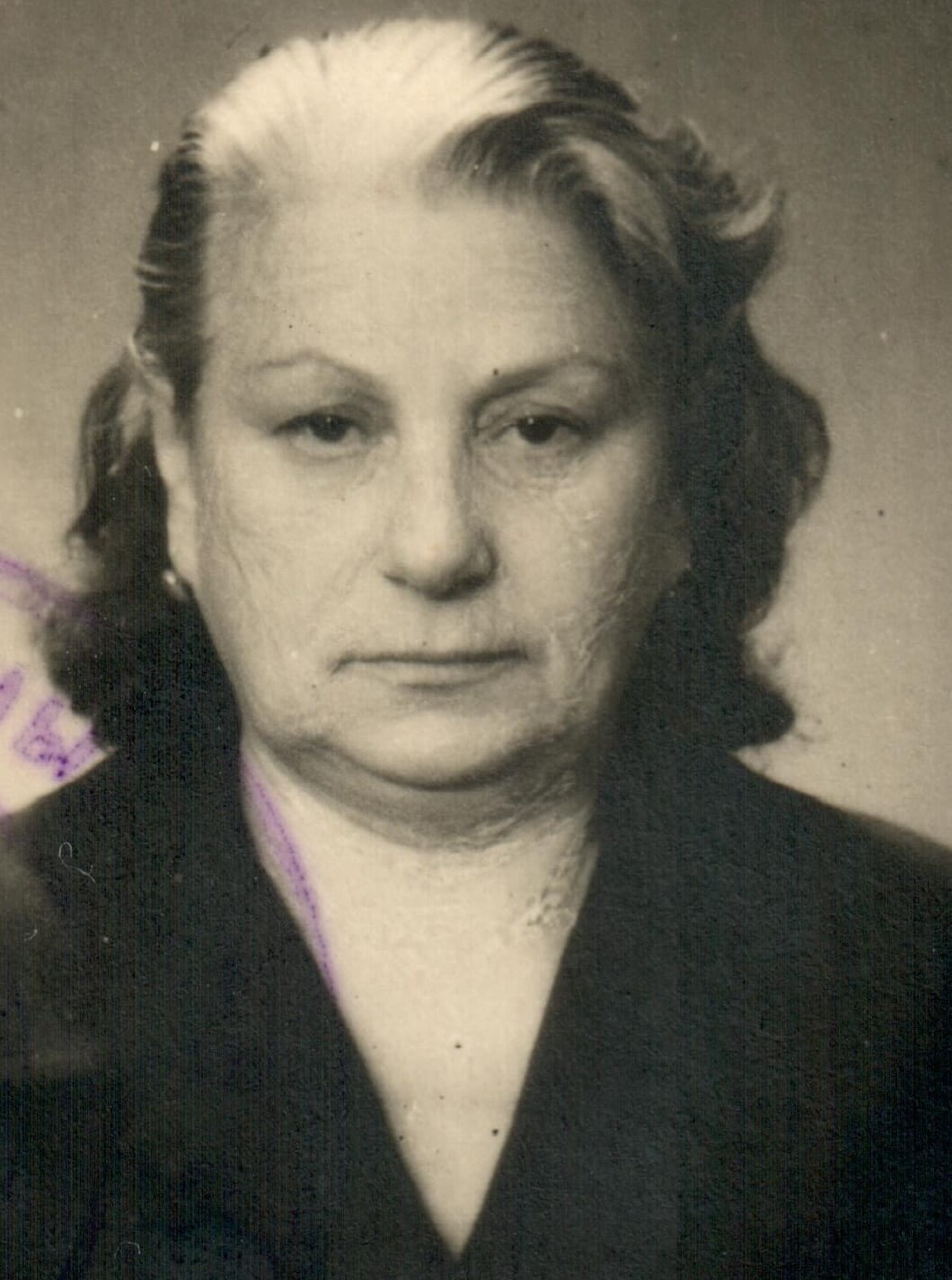
Media1
Berl Porubansky