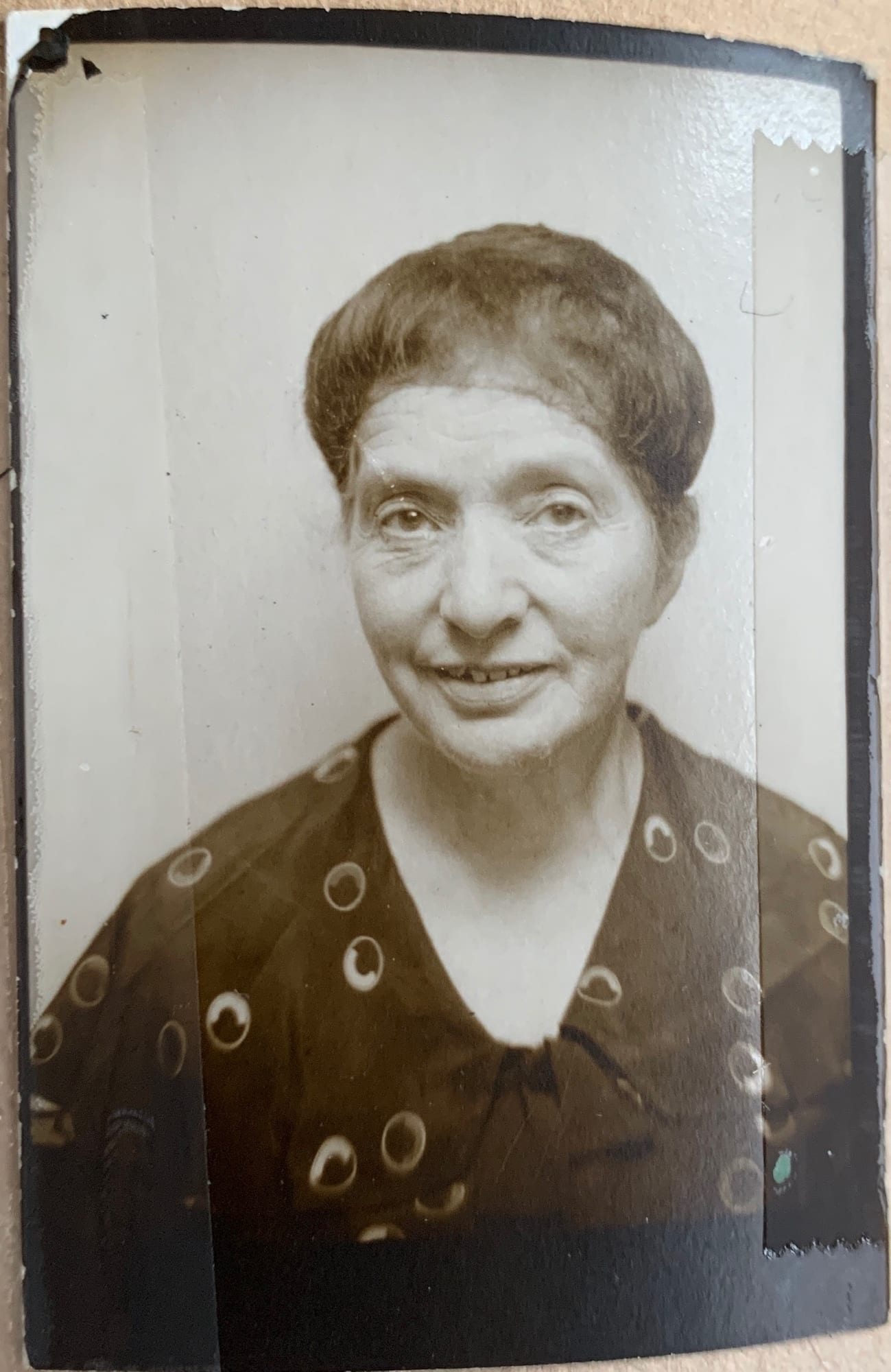
Biography
Sarah Rachel Scharf was born on 20 March 1871 in Chrzanów, a daughter of Shalom Scharf. She married Alfred Alter P Tiefenbrunner, and from 1914 the family lived in Bretten, Baden; they had six children — Kalman (later Beeri), Erna Ester, Jeanette, Leo, Hermann Maier and William. She was granted Baden citizenship with the family on 19 September 1919, stripped of it on 9 October 1933, and caught up in the registration and deportation actions against Polish Jews around Karlsruhe between 1938 and 1939. In August 1939 she and Alfred sailed from Hamburg to New York aboard the SS Deutschland, joining their children in Chicago. She died there on 31 August 1945 and is buried beside Alfred at Waldheim Cemetery.
Life events8
- NaturalisationBretten, Germany
Citizenship was granted to Alfred Tiefenbrunner, his wife Sara, and his minor children, Jeanette, Leo, Hermann Majer, and Willi
- DeportedKarlsruhe, Germany
Karlsruhe / Baden area: Registration and deportation of Polish Jews
Correspondence, decrees and lists for the Karlsruhe / Baden area: Registration and deportation of Polish Jews; short report and list of names for the "Aktion Arbeitsscheu Reich" (1938-1939)
- Immigration
Travelling to New York from Hamburg on board of the ship SS Deutschland
- Death of DaughterBelzec extermination camp, Poland
The deportation itself. On 2 April 1942, the Jews of Regensburg were assembled at the site of the destroyed synagogue and sent to Munich on 2 April 1942, and from there transported to Piaski near Lublin, Poland. This wasn't a Regensburg-only operation — Arolsen Archives records describe it as a joint deportation of Jews from the Munich Gestapo district, covering Upper Bavaria and the Swabia/Neuburg region, to the occupied eastern territories, presumed to be Piaski, on 3 April 1942. So Regensburg's deportees were folded into a larger convoy gathered from across southern Bavaria before the train headed east. Arrival and what Piaski was at that moment. German records cited by the Munich memorial book indicate a transport of 989 Jews arrived in Piaski from Munich on 6 April 1942, which lines up with the Regensburg group's departure date. Piaski itself was in transition right then: it had existed as a ghetto since April 1941, but in March 1942 German authorities ordered it cleared of its Polish Jewish population and repurposed as a collection point for Jews arriving from the Reich. That clearing involved sending thousands of the existing Polish Jewish residents to be murdered at Belzec in the days just before the Reich transports arrived — so the new arrivals from Germany were essentially filling a ghetto that had just been emptied by mass murder. What happened to the deportees. Piaski functioned as a way-station, not a final destination. Deportations onward to the Belzec death camp resumed on 6 April 1942, and able-bodied men were periodically pulled out for forced labor (likely toward the Lublin camp system) while others continued to be sent to the gas chambers at Belzec or Sobibor. Conditions in the ghetto itself were reportedly dire. Essentially none of the Regensburg deportees on this transport are known to have survived.
- BurialWaldheim Cemetery Co., Illinois, United States
Gate Name: Tomche Shabbos Congregation, Hate: 223, Lots: 406, Section: 228, Row: 4E, Grave: 2, Grave address: 223.406.228.4E.2
Places5
Family
Parents
Family record F0083 →Spouses & Children
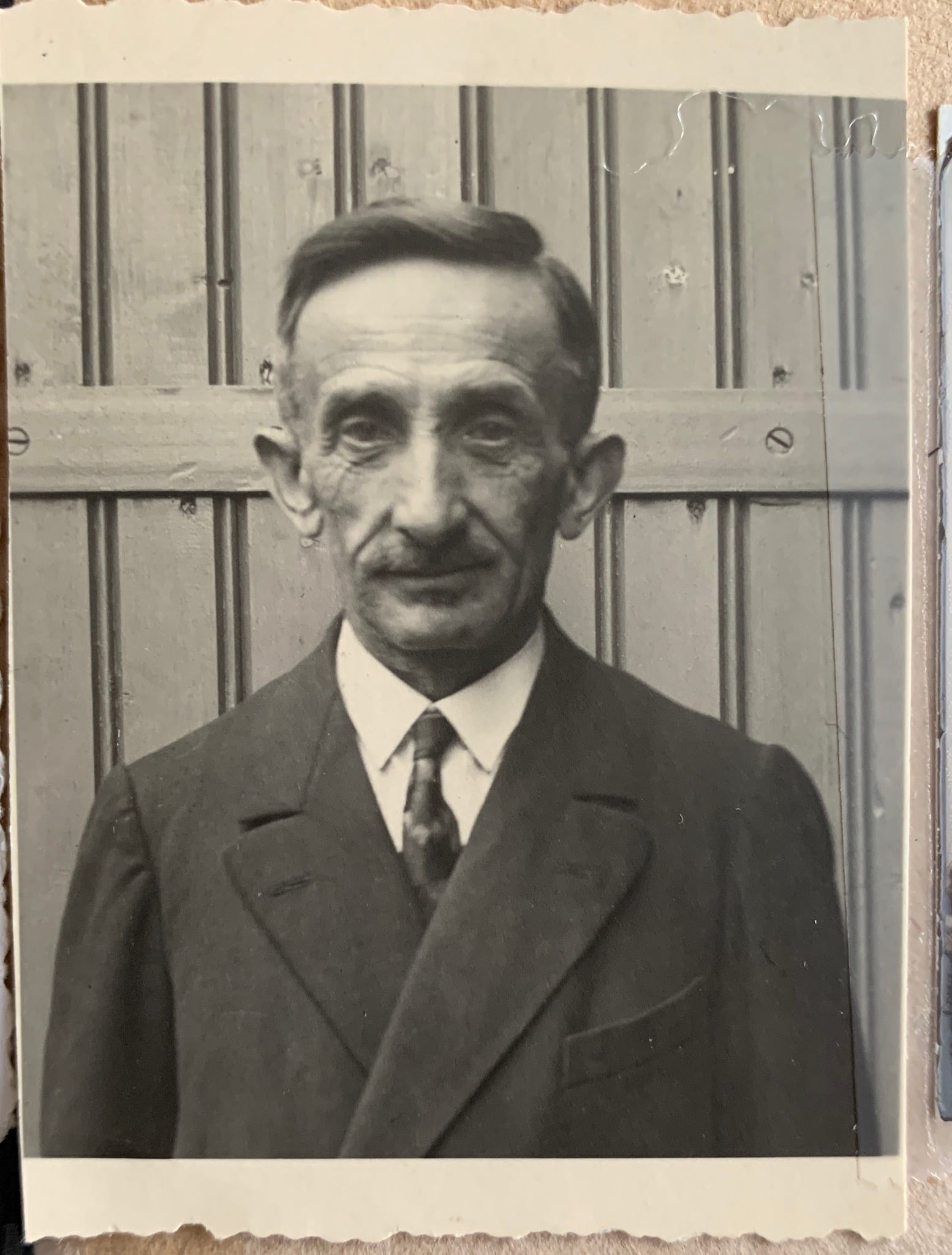
- Kalman Beeri♂BIOLOGICAL
- Erna Ester Tiefenbrunner♀BIOLOGICAL
- Jeanette Tiefenbrunner♀BIOLOGICAL
- Leo Tiefenbrunner♂BIOLOGICAL
- Hermann Maier Tiefenbrunner♂BIOLOGICAL
- William "Bill" Brunner♂BIOLOGICAL
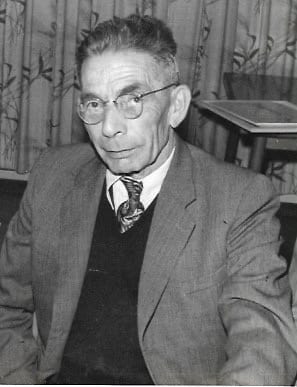
Media3
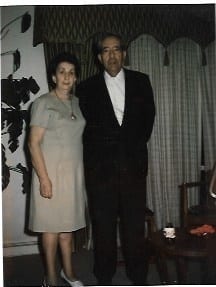
Sarah Rachel Scharf
The tiefenbrunner family circa 1923
Tiefenbrunner Family circa 1936