Biography
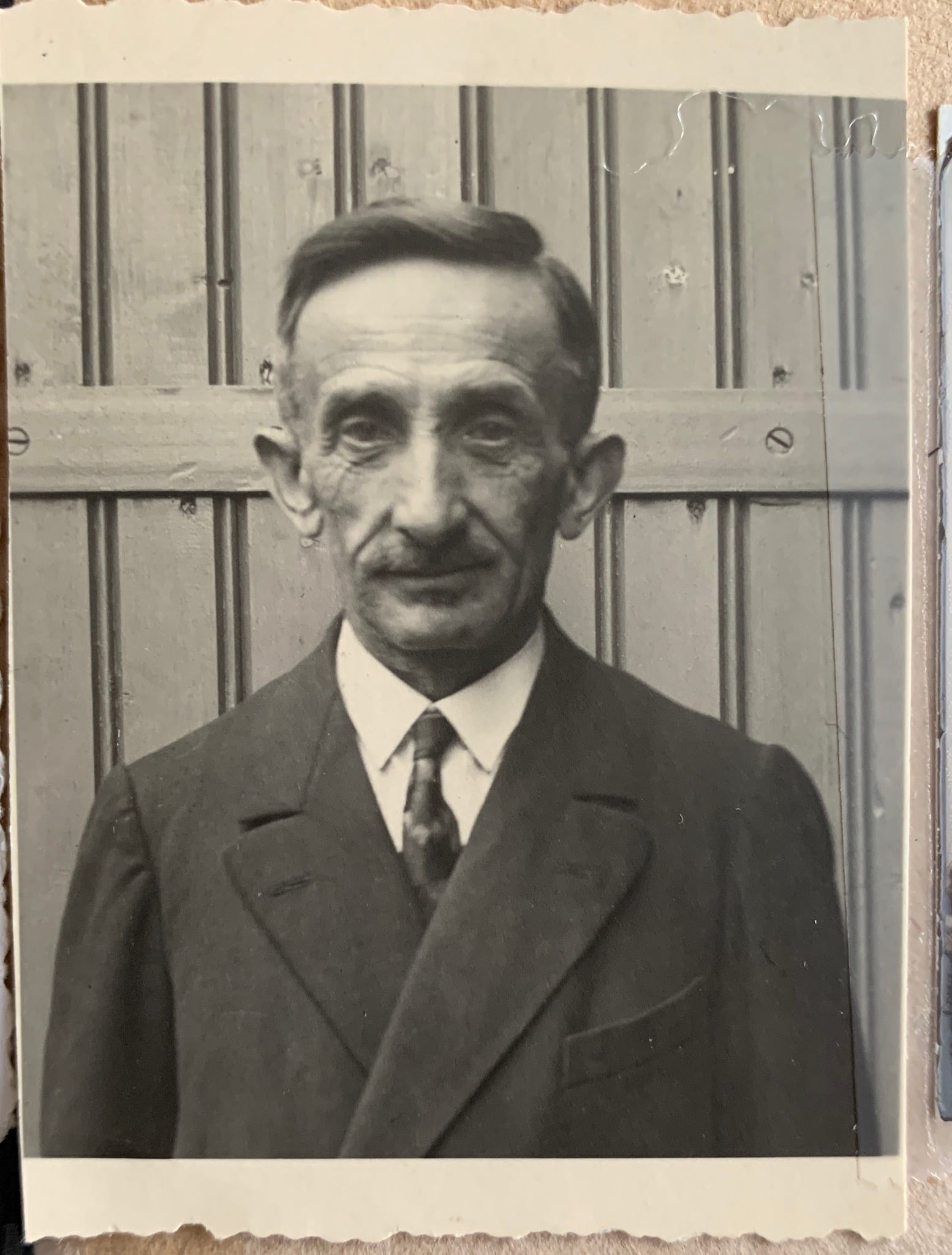
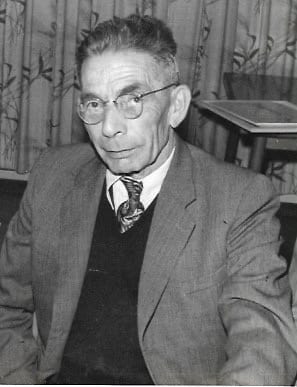
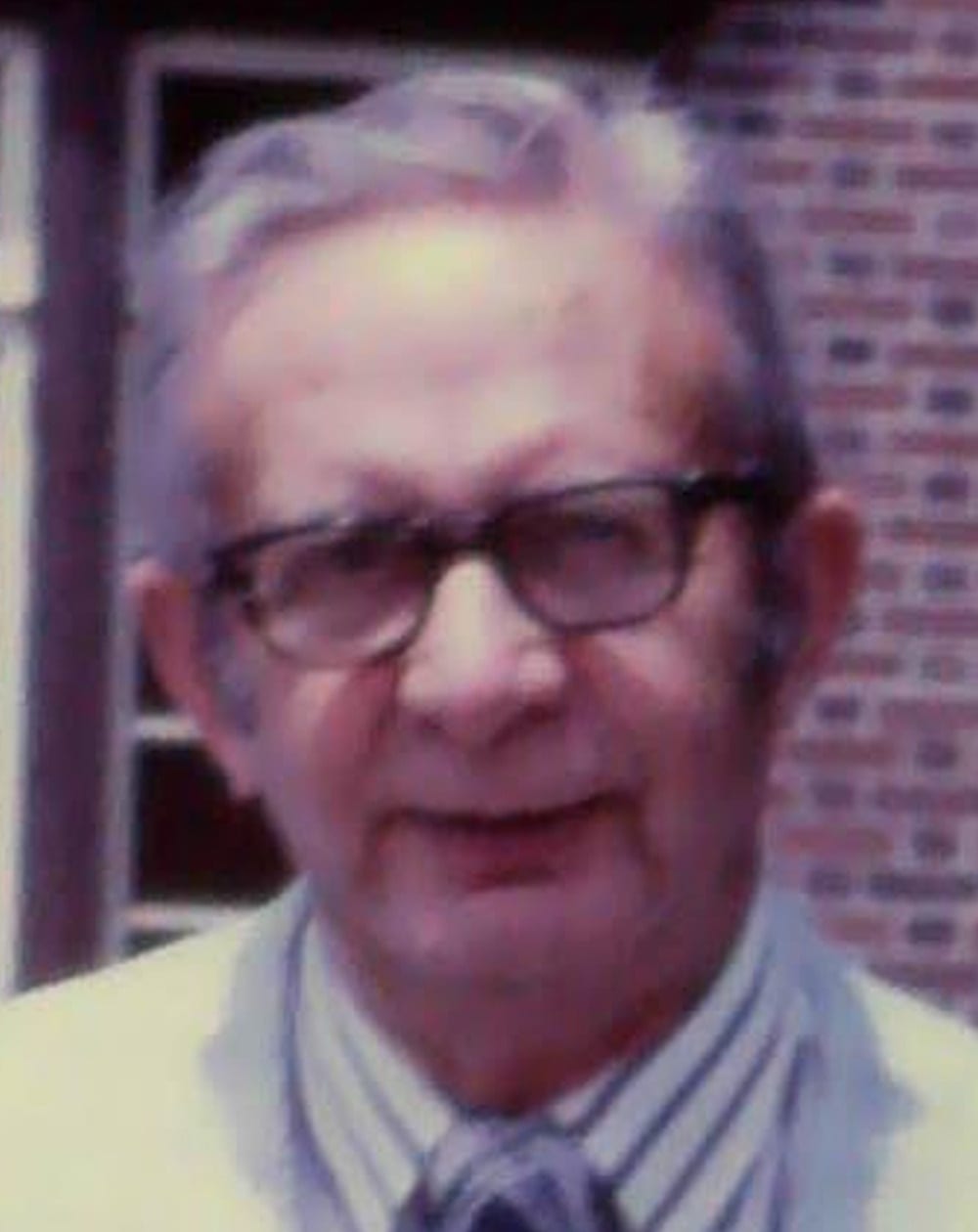
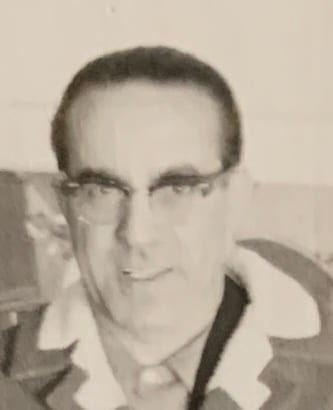
Alfred Alter P Tiefenbrunner, a trader and merchant, was born on 10 May 1872 in Wieliczka, a son of Salomon Jakob Tiefenbrunner and Miriam Perlberger. He married Sarah Rachel Scharf, and from 1914 the family lived in Bretten, Baden, where Alfred ran a shop; they had six children — Kalman (later Beeri), Erna Ester, Jeanette, Leo, Hermann Maier and William. On 19 September 1919 he and his family were granted Baden citizenship, which was revoked on 9 October 1933 as Nazi persecution of Jews with Polish origins intensified. Between July 1938 and December 1939 he was caught up in the registration and deportation actions against Polish Jews around Karlsruhe. In August 1939, as war approached, he and Sarah sailed from Hamburg to New York aboard the SS Deutschland, joining their children who had already emigrated to Chicago. He died there on 15 November 1960 and is buried at Waldheim Cemetery.
Occupations2
- Trader
- Merchant
Life events10
- Business registryBretten, Germany
Trader/Merchant
Early Years (1914–1915) Alfred began in 1914 dealing in secondhand clothes, shoes and furniture. Almost simultaneously he registered a clothing and linen goods business at a different address, suggesting either a quick pivot or an attempt to run two small operations at once. Both closed within months, the second lasting only until January 1915, by which point WWI was well underway and economic conditions were difficult. Wartime (1916) He re-registered in April 1916, back at his original Weißhoferstraße address, now describing himself as a Kaufmann (merchant) — a slightly more respectable title. The trade on this card is harder to read but appears to involve dealing in goods of some kind. Post-war Speculation and Collapse (1920) His most ambitious venture came in January 1920, when he registered as a trader in precious metals — a notably different and more speculative trade. This ended in bankruptcy, the only card to record Konkurs. Recovery and Persistence (1921–1923) Despite bankruptcy, he obtained permission from the Bezirksamt Bretten to trade again — suggesting the authorities had to approve his comeback given his insolvency history. He returned to more familiar territory: wool and linen goods, then haberdashery. By October 1923 he had expanded sufficiently to register a branch premises at Weißhoferstraße 25, while living and operating his main business from Pforzheimerstraße 20.
- NaturalisationBretten, Germany
Citizenship was granted to Alfred Tiefenbrunner, his wife Sara, and his minor children, Jeanette, Leo, Hermann Majer, and Willi
- PropertyBretten, Germany
Dated 25 February 1924, addressed to the BürgermAlfred Tiefenbrunner requests approval to build a shop front on his property at plot No. 329 on the Pforzheimer Straße, submitting accompanying plans.
- DeportedKarlsruhe, Germany
Karlsruhe / Baden area: Registration and deportation of Polish Jews
Correspondence, decrees and lists for the Karlsruhe / Baden area: Registration and deportation of Polish Jews; short report and list of names for the "Aktion Arbeitsscheu Reich" (1938-1939)
- Immigration
Travelling to New York from Hamburg on board of the ship SS Deutschland
- Death of DaughterBelzec extermination camp, Poland
The deportation itself. On 2 April 1942, the Jews of Regensburg were assembled at the site of the destroyed synagogue and sent to Munich on 2 April 1942, and from there transported to Piaski near Lublin, Poland. This wasn't a Regensburg-only operation — Arolsen Archives records describe it as a joint deportation of Jews from the Munich Gestapo district, covering Upper Bavaria and the Swabia/Neuburg region, to the occupied eastern territories, presumed to be Piaski, on 3 April 1942. So Regensburg's deportees were folded into a larger convoy gathered from across southern Bavaria before the train headed east. Arrival and what Piaski was at that moment. German records cited by the Munich memorial book indicate a transport of 989 Jews arrived in Piaski from Munich on 6 April 1942, which lines up with the Regensburg group's departure date. Piaski itself was in transition right then: it had existed as a ghetto since April 1941, but in March 1942 German authorities ordered it cleared of its Polish Jewish population and repurposed as a collection point for Jews arriving from the Reich. That clearing involved sending thousands of the existing Polish Jewish residents to be murdered at Belzec in the days just before the Reich transports arrived — so the new arrivals from Germany were essentially filling a ghetto that had just been emptied by mass murder. What happened to the deportees. Piaski functioned as a way-station, not a final destination. Deportations onward to the Belzec death camp resumed on 6 April 1942, and able-bodied men were periodically pulled out for forced labor (likely toward the Lublin camp system) while others continued to be sent to the gas chambers at Belzec or Sobibor. Conditions in the ghetto itself were reportedly dire. Essentially none of the Regensburg deportees on this transport are known to have survived.
- BurialWaldheim Cemetery Co., Illinois, United States
Gate Name: Tomche Shabbos Congregation, Hate: 223, Lots: 406, Section: 228, Row: 4E, Grave: 1, Grave address: 223.406.228.4E.1
Places5
Family
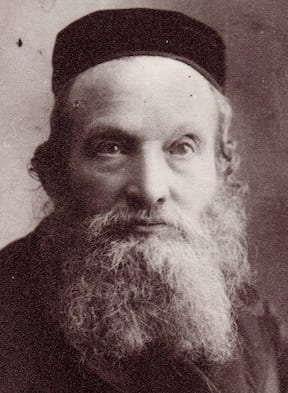
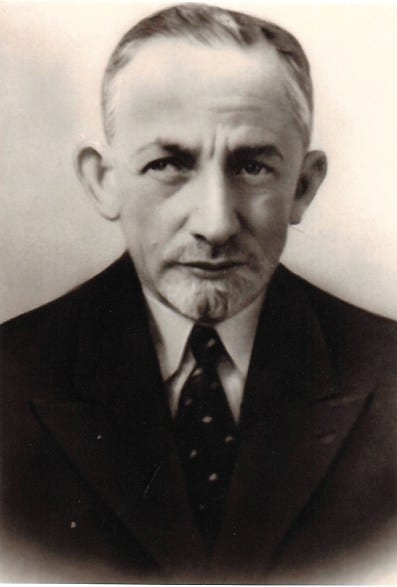
Spouses & Children
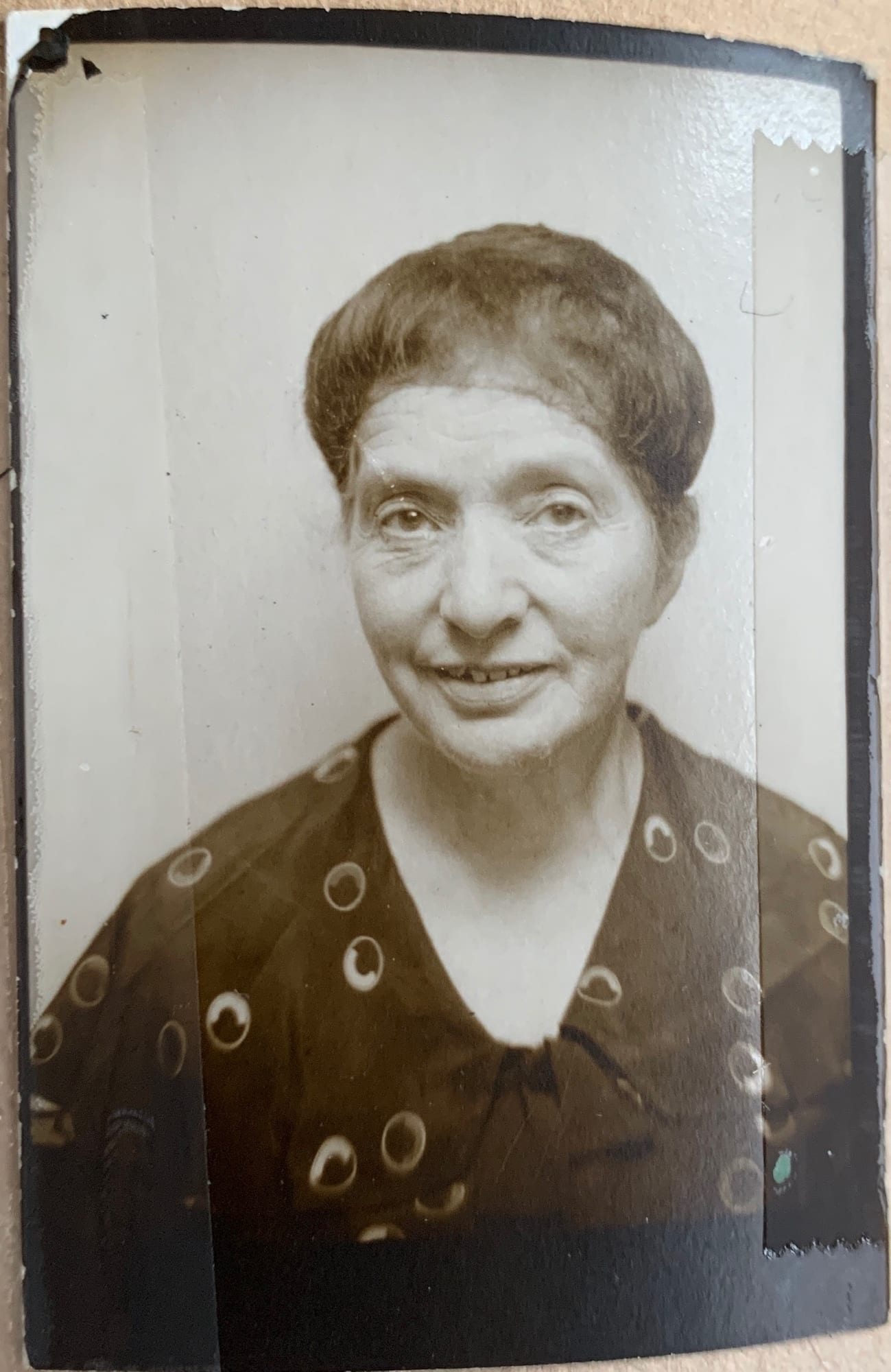
- Kalman Beeri♂BIOLOGICAL
- Erna Ester Tiefenbrunner♀BIOLOGICAL
- Jeanette Tiefenbrunner♀BIOLOGICAL
- Leo Tiefenbrunner♂BIOLOGICAL
- Hermann Maier Tiefenbrunner♂BIOLOGICAL
- William "Bill" Brunner♂BIOLOGICAL
Media4
Alfred Tiefenbrunner
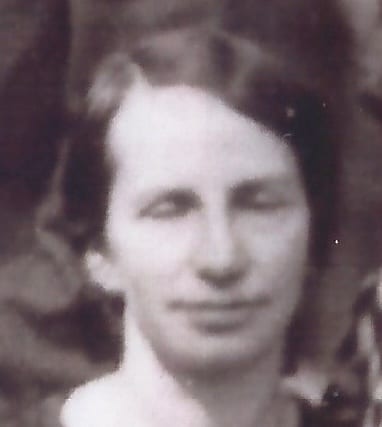
The tiefenbrunner family circa 1923
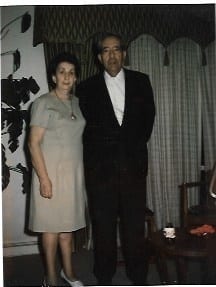
Tiefenbrunner Family circa 1936
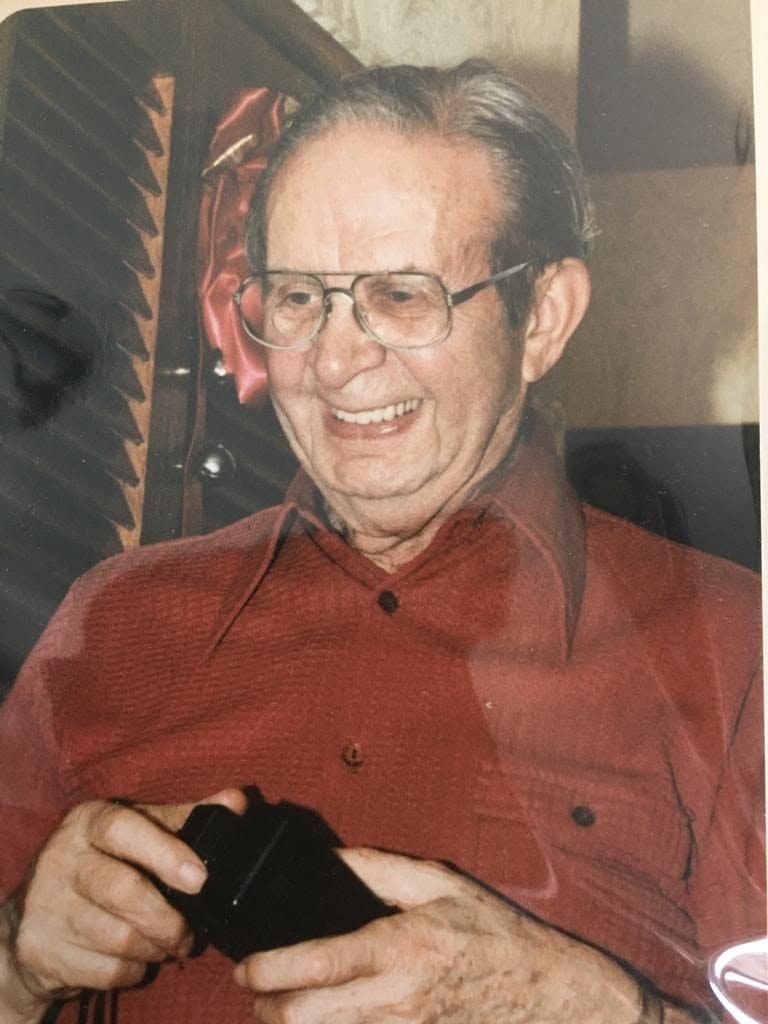
Alfred and Linda